Human-directed AI Art Production
From original IP to
release-ready art.
Accelerate colorization and remastering with AI. Your art director retains control of canon, quality, and the final decision.
Original sketch → Color study
From original lines to new worlds.
Seven original demo pages. Choose a number to compare; the gallery advances every five seconds.
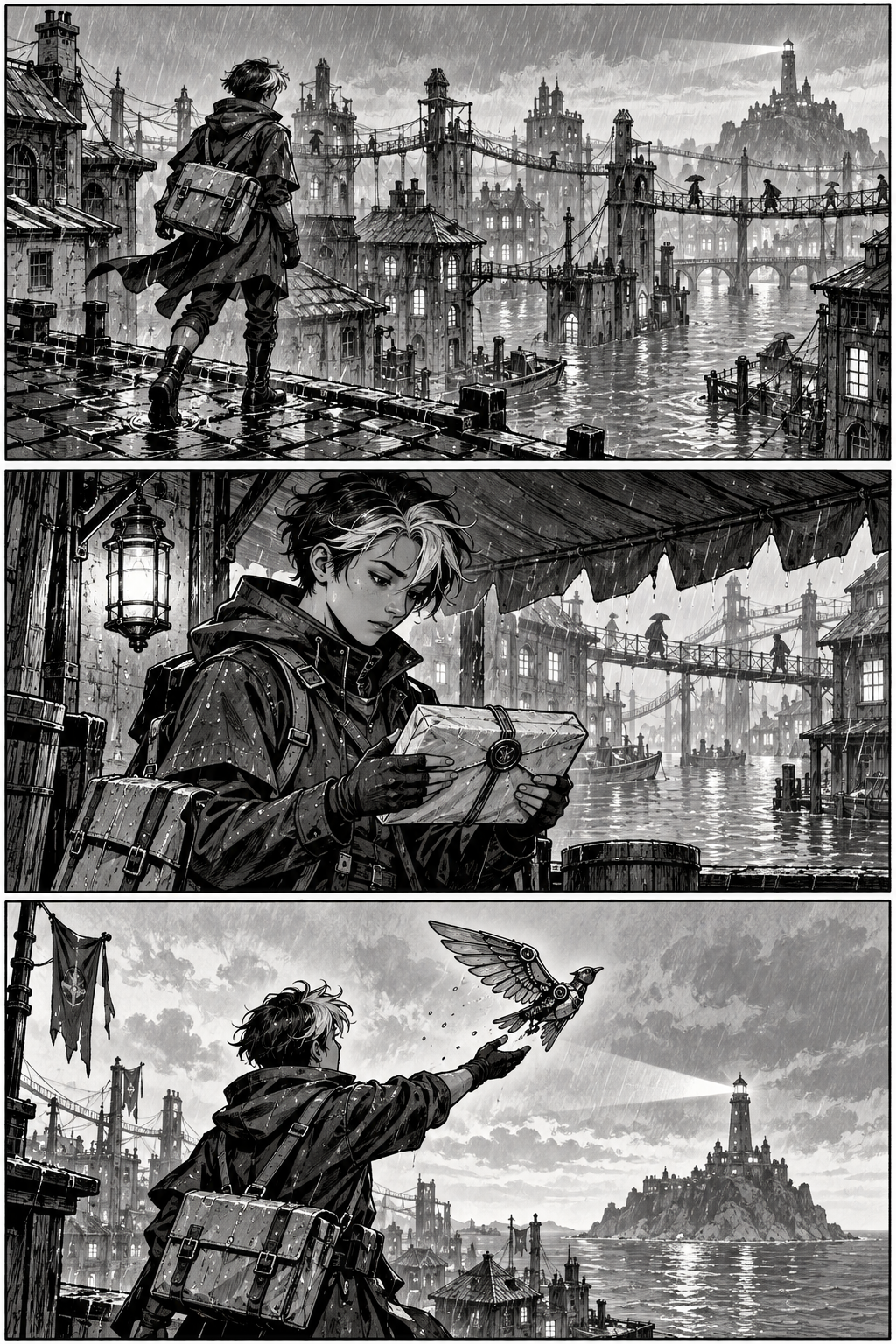
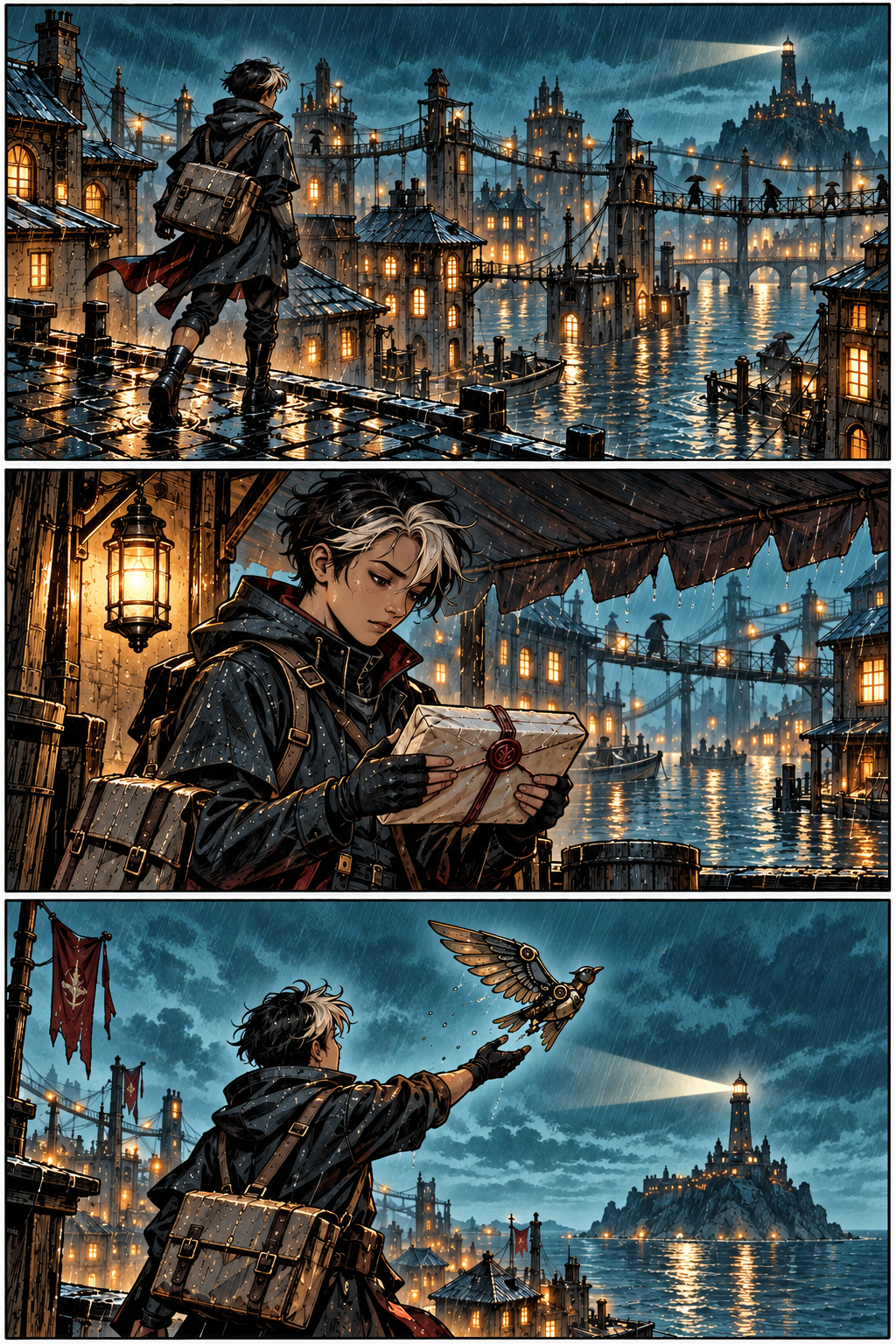
01 / 07Rooftop courierOriginal demo set · color studies include backend trials and concepts.
11 challenges to solve
Eleven challenges.
Shown, not told.
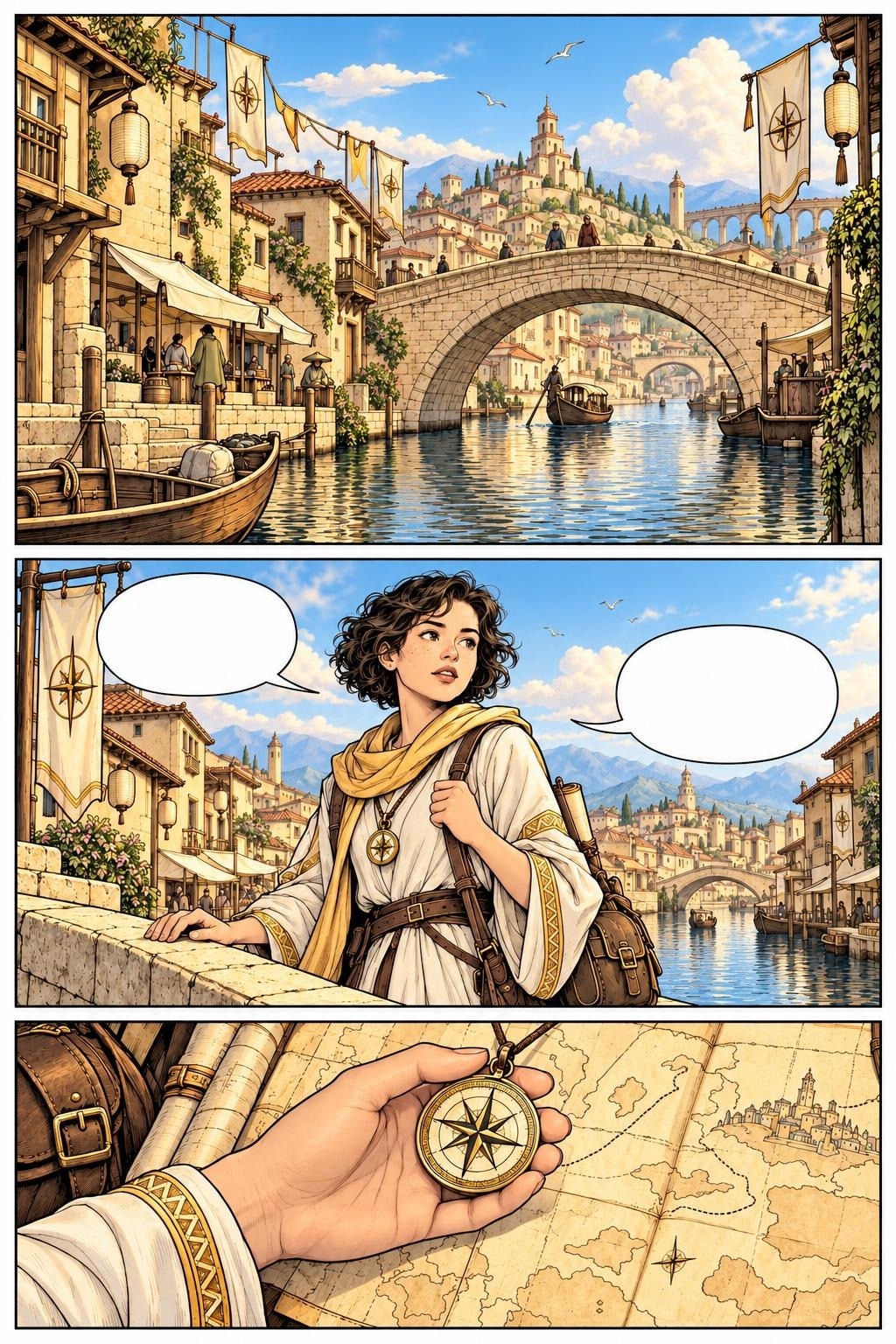 Imperial Gold
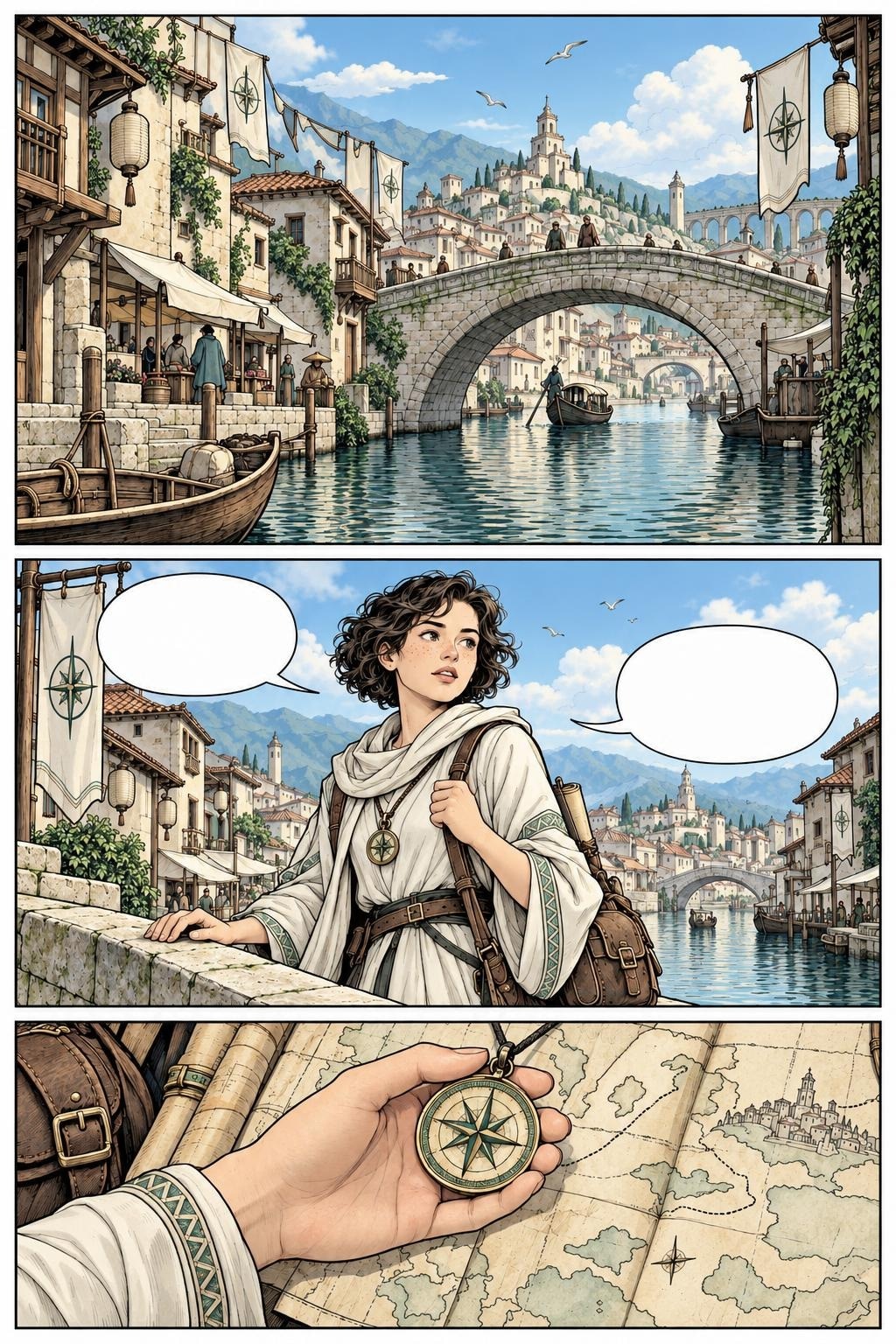 Ancient Jade
One scene across weather and time of day
View 20 atmosphere studies ↗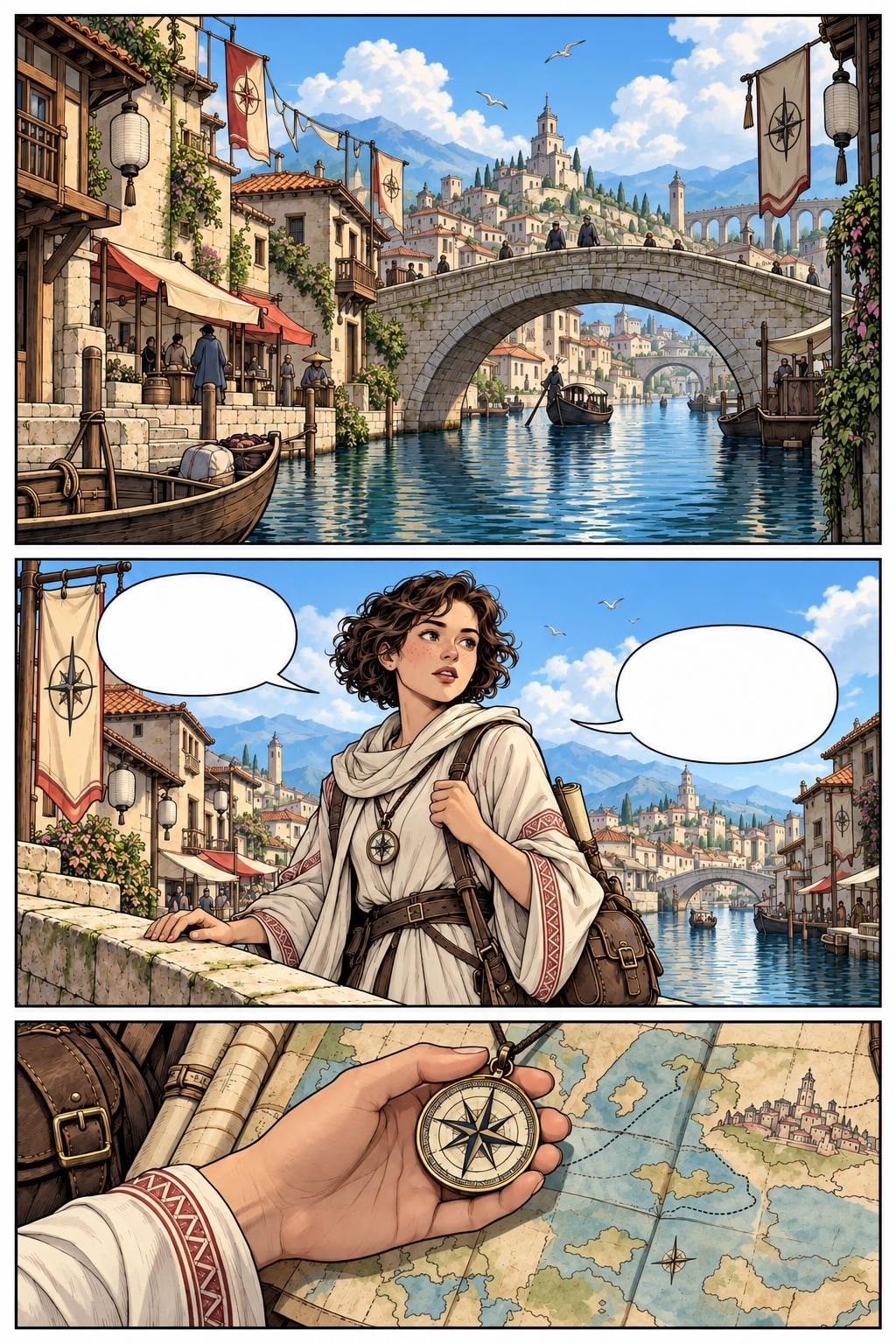 Clear day
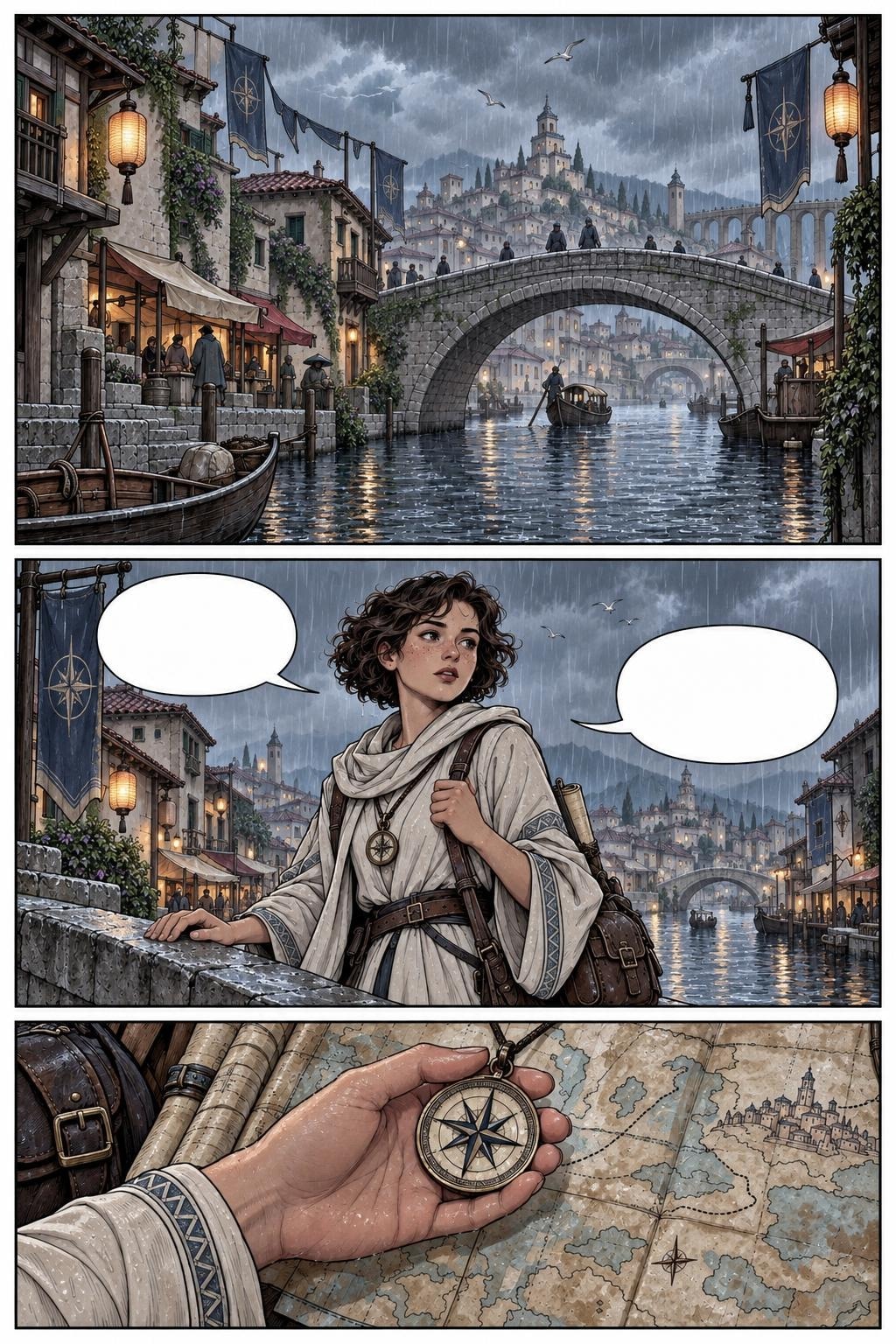 Daytime rain
Characters and props need stable colors
Every genre needs its own visual soul
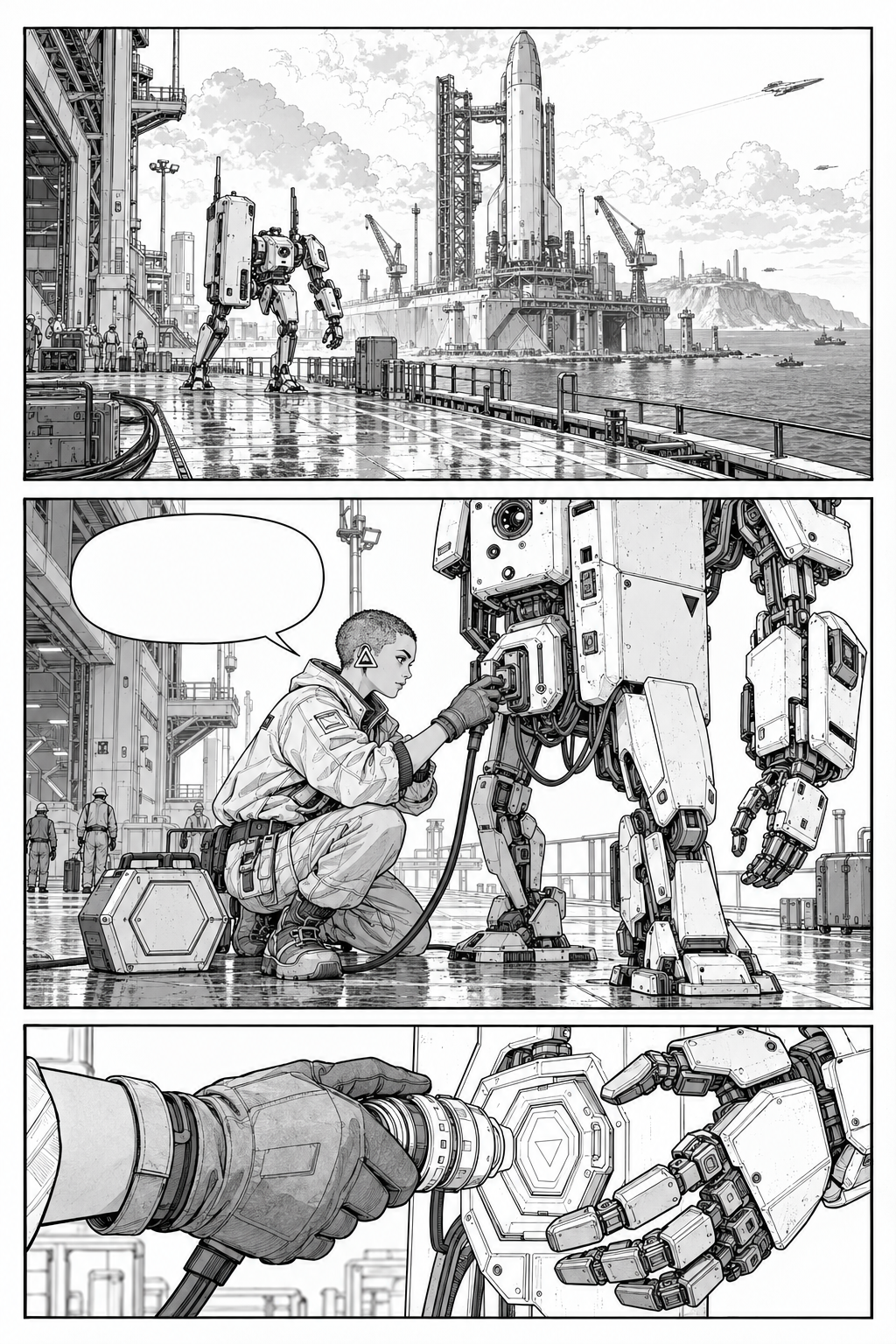 Sci-fi sketch
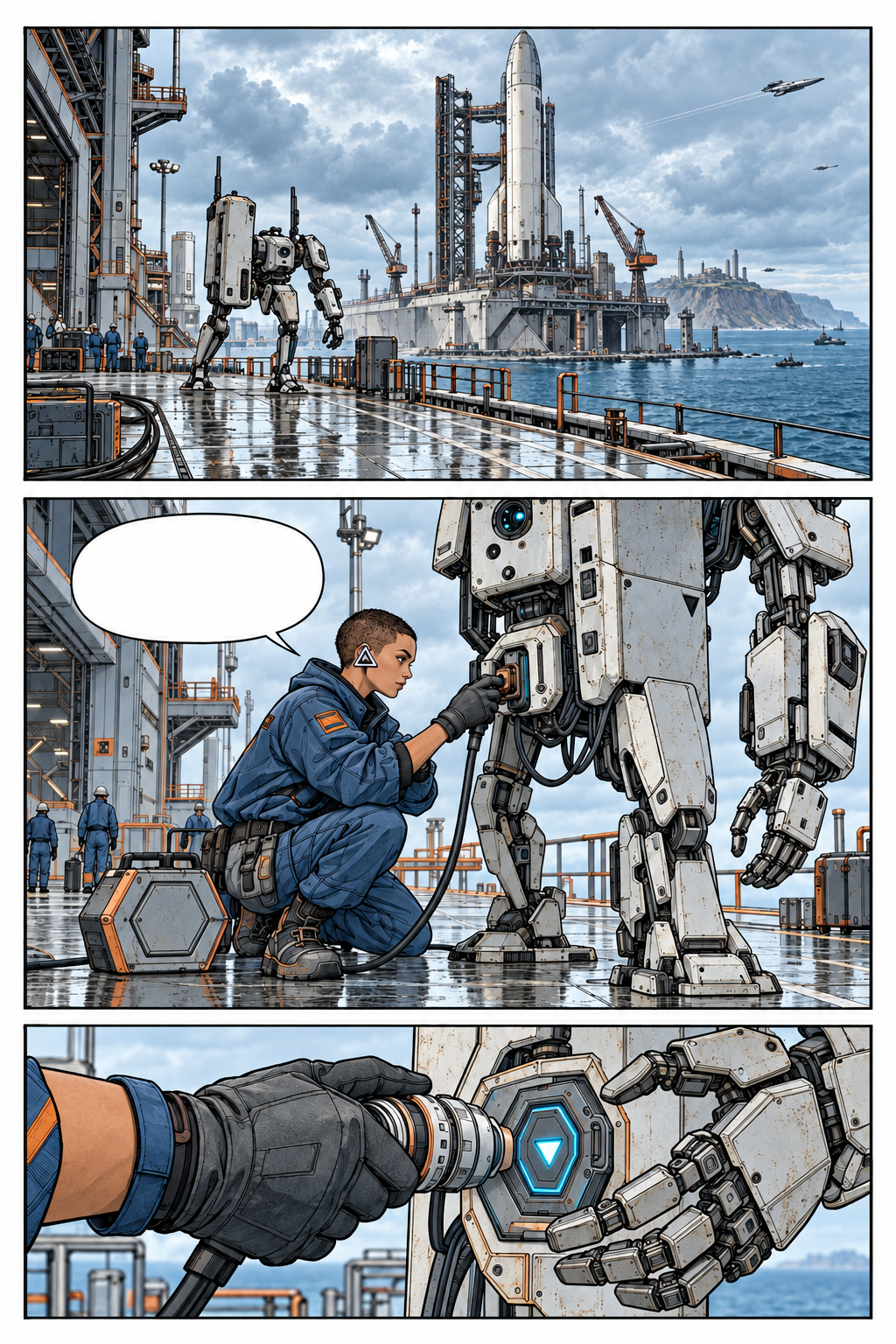 Color concept
Stone, foliage, water, and glow must read differently
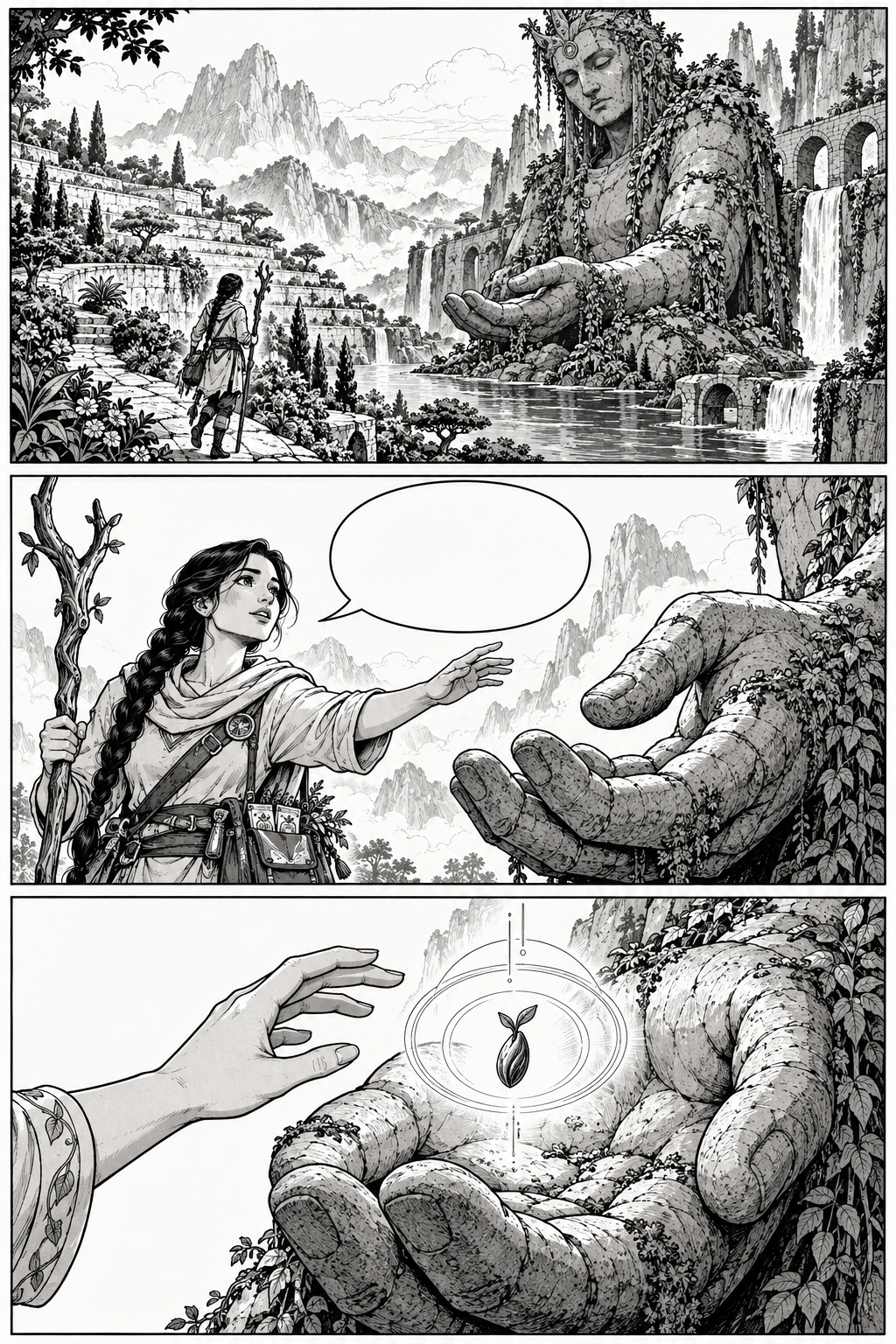 Original sketch
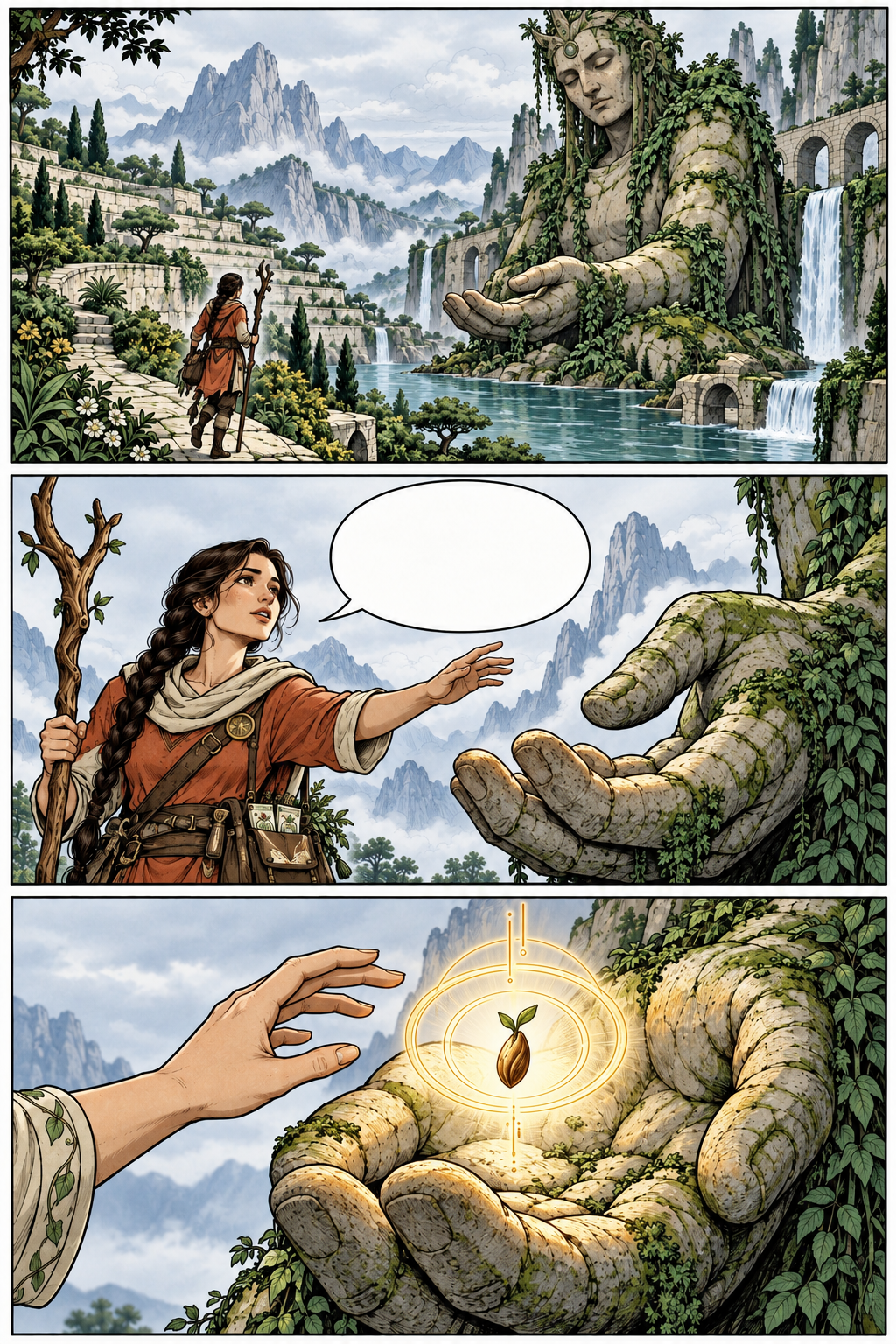 Effects concept
Translate dialogue without repainting art
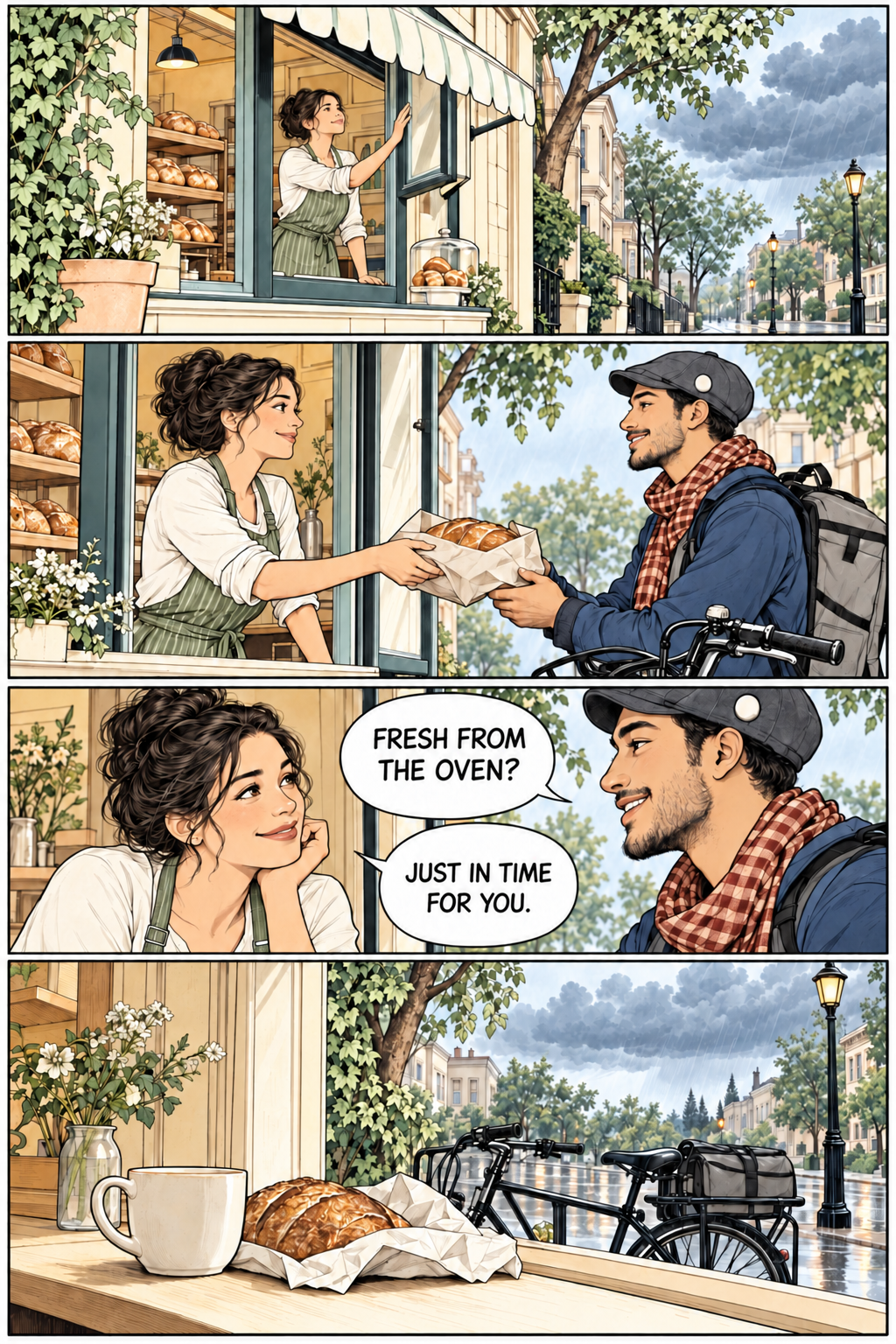 English concept
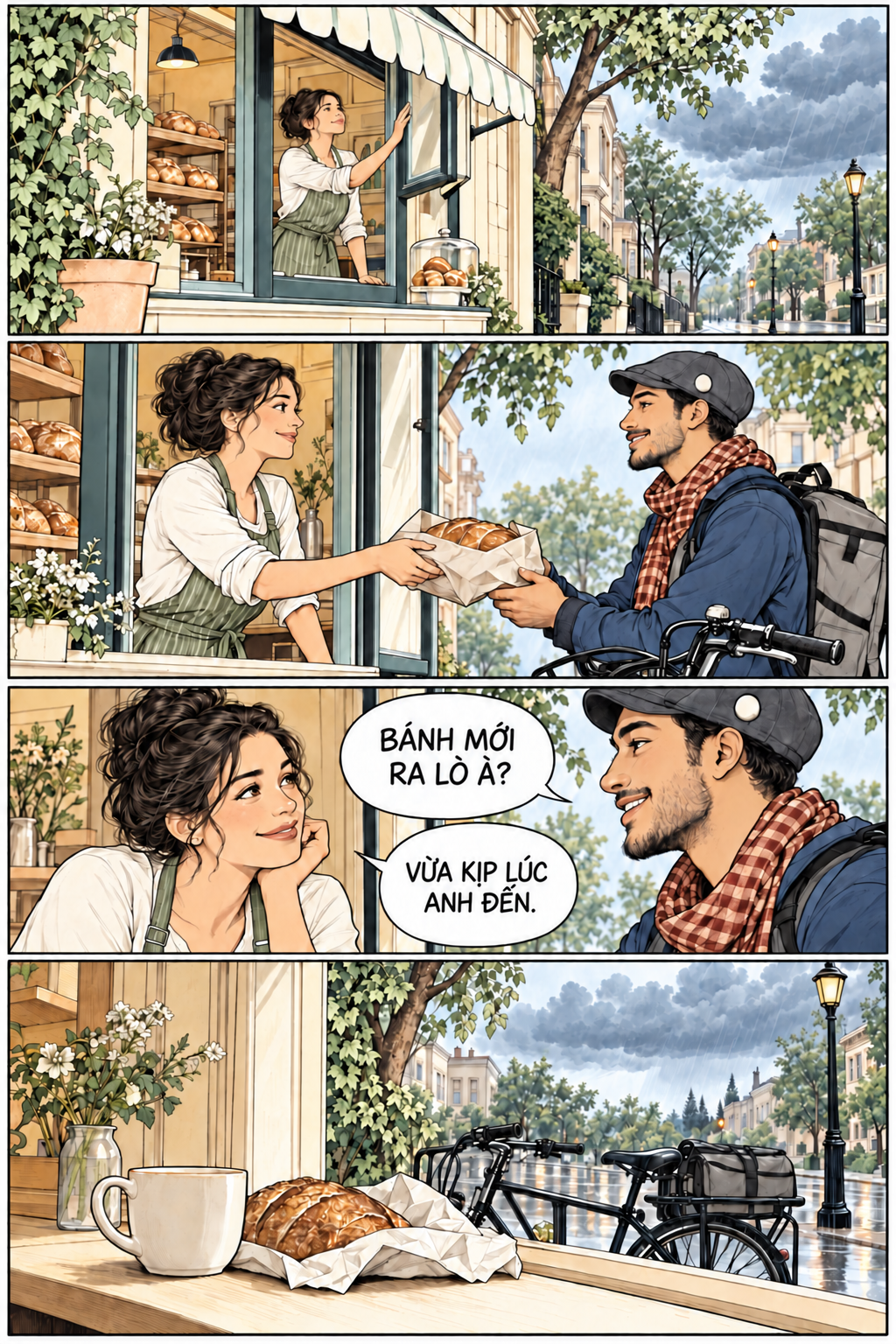 Vietnamese concept
Make it richer without changing the story
A client palette must outrank automatic suggestions
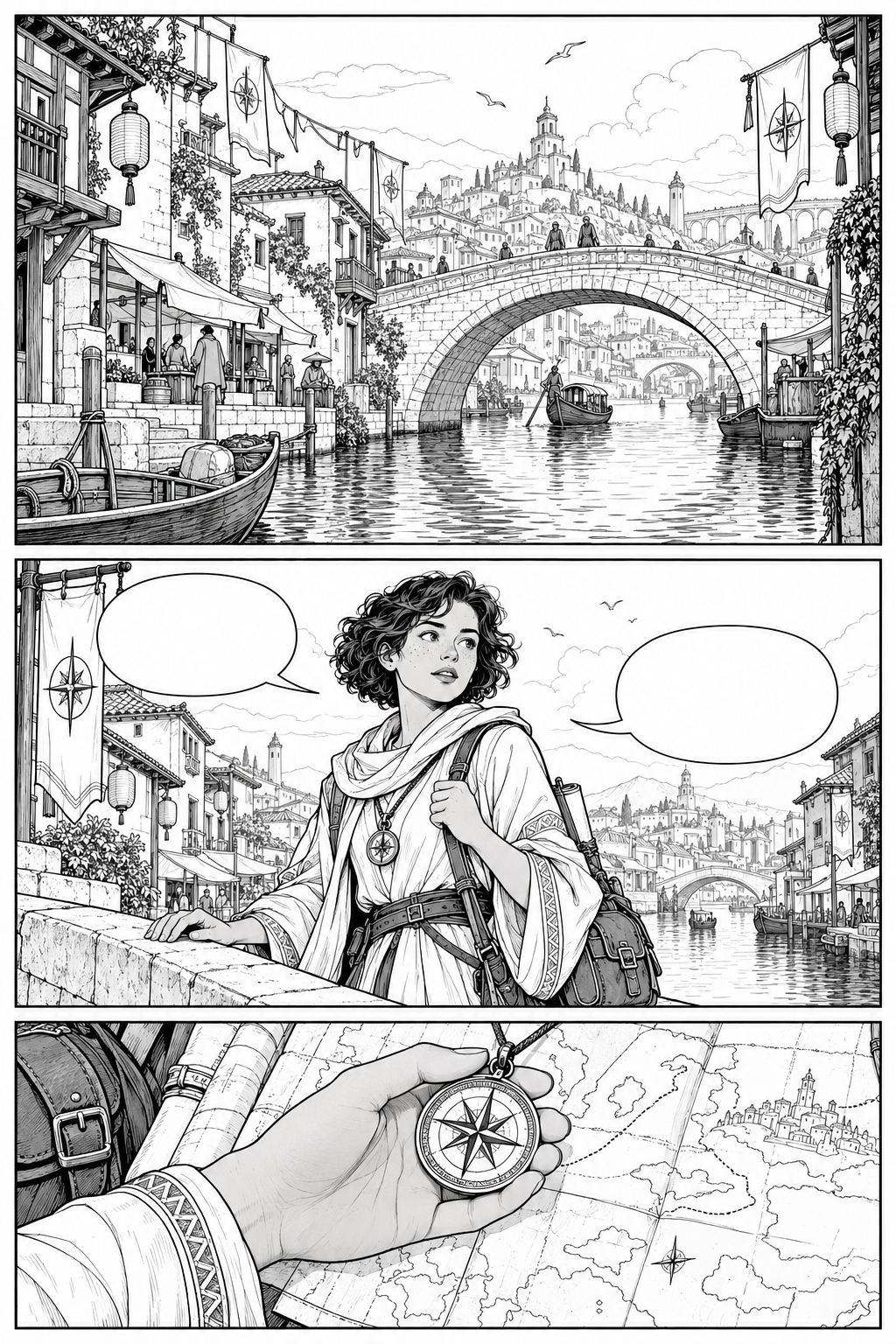 Original sketch
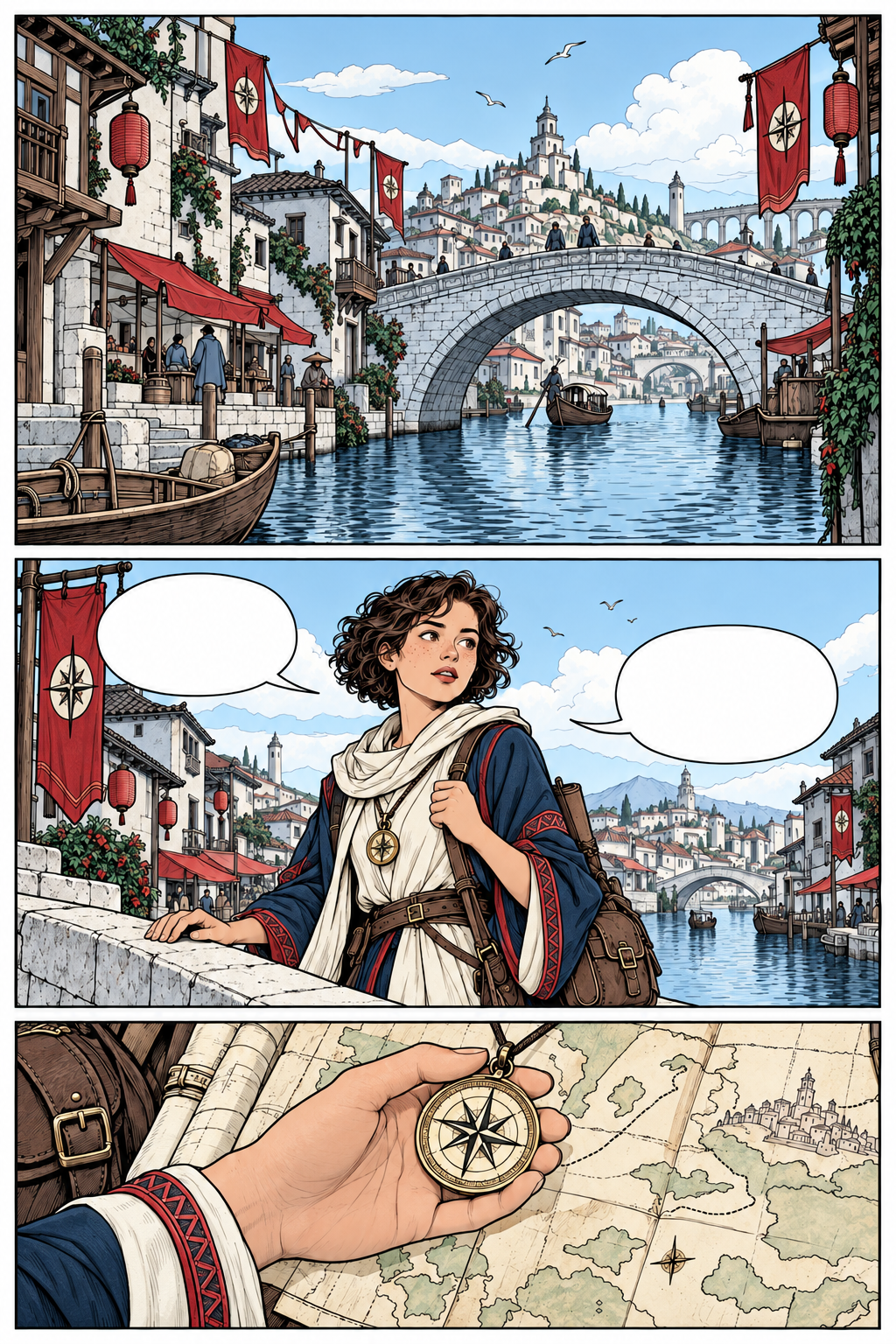 Crimson Slate concept
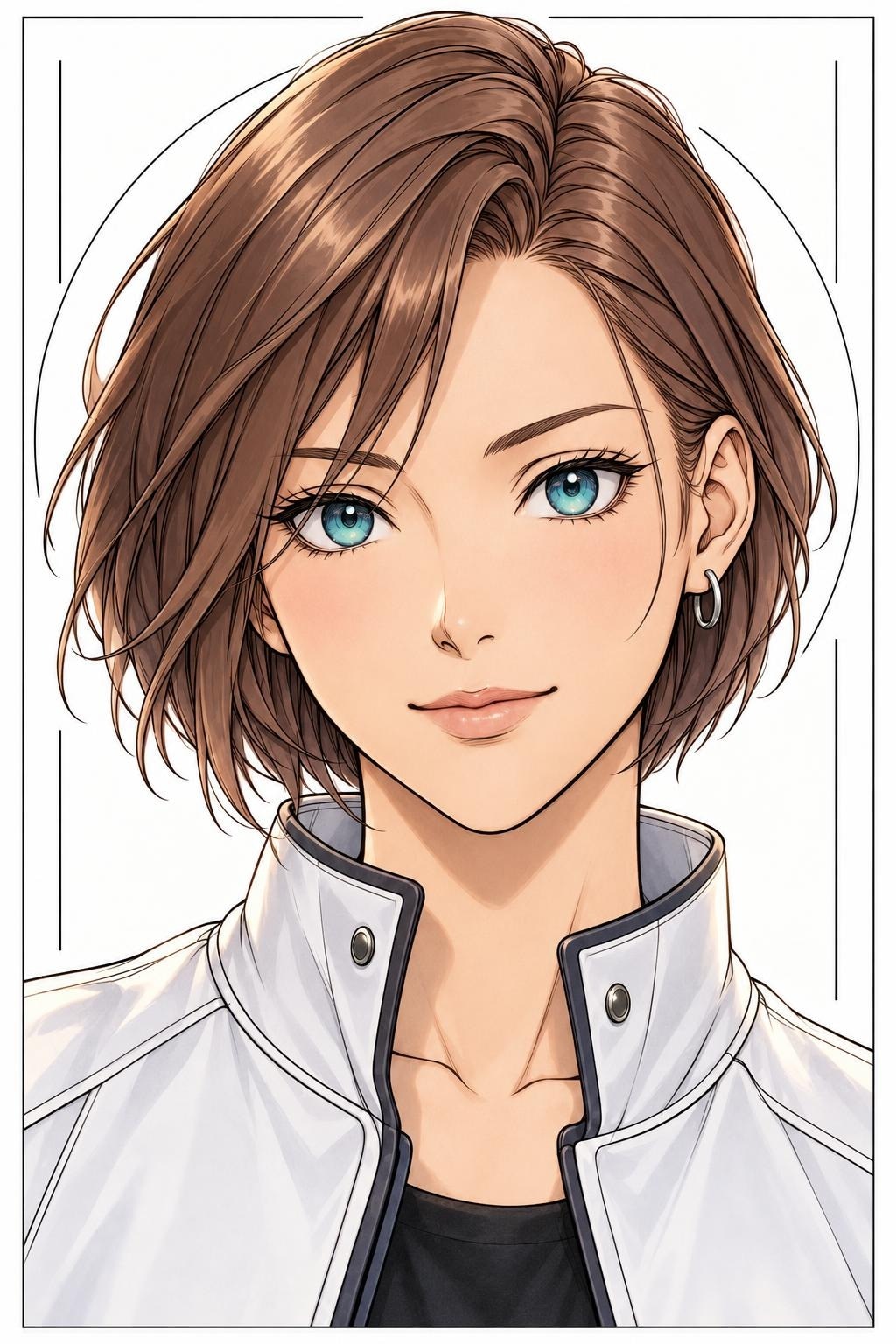
Hair, eyes, and skin: individual character color profiles
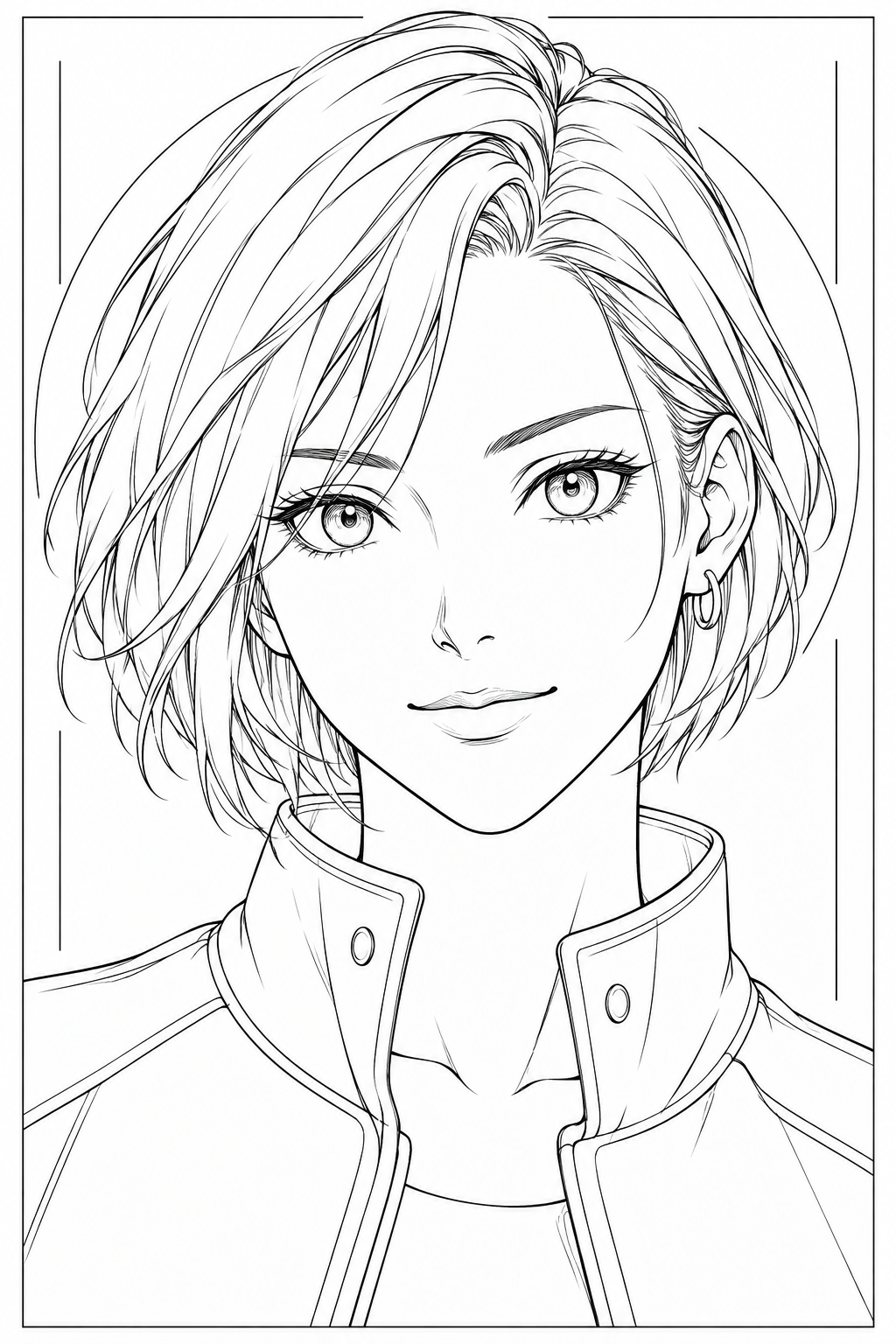 Mira · sketch
 Hair color
 Eye color
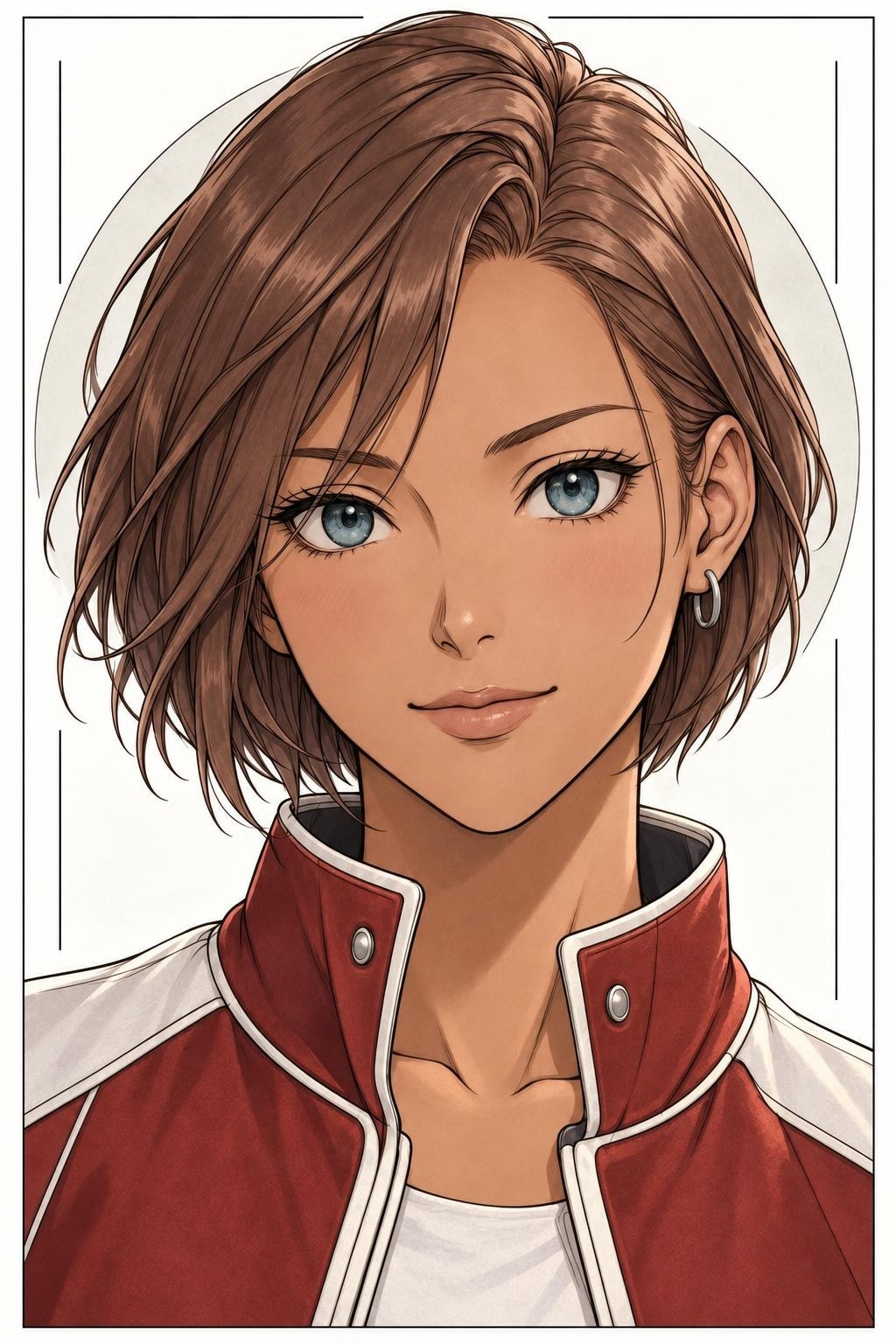 Skin tone
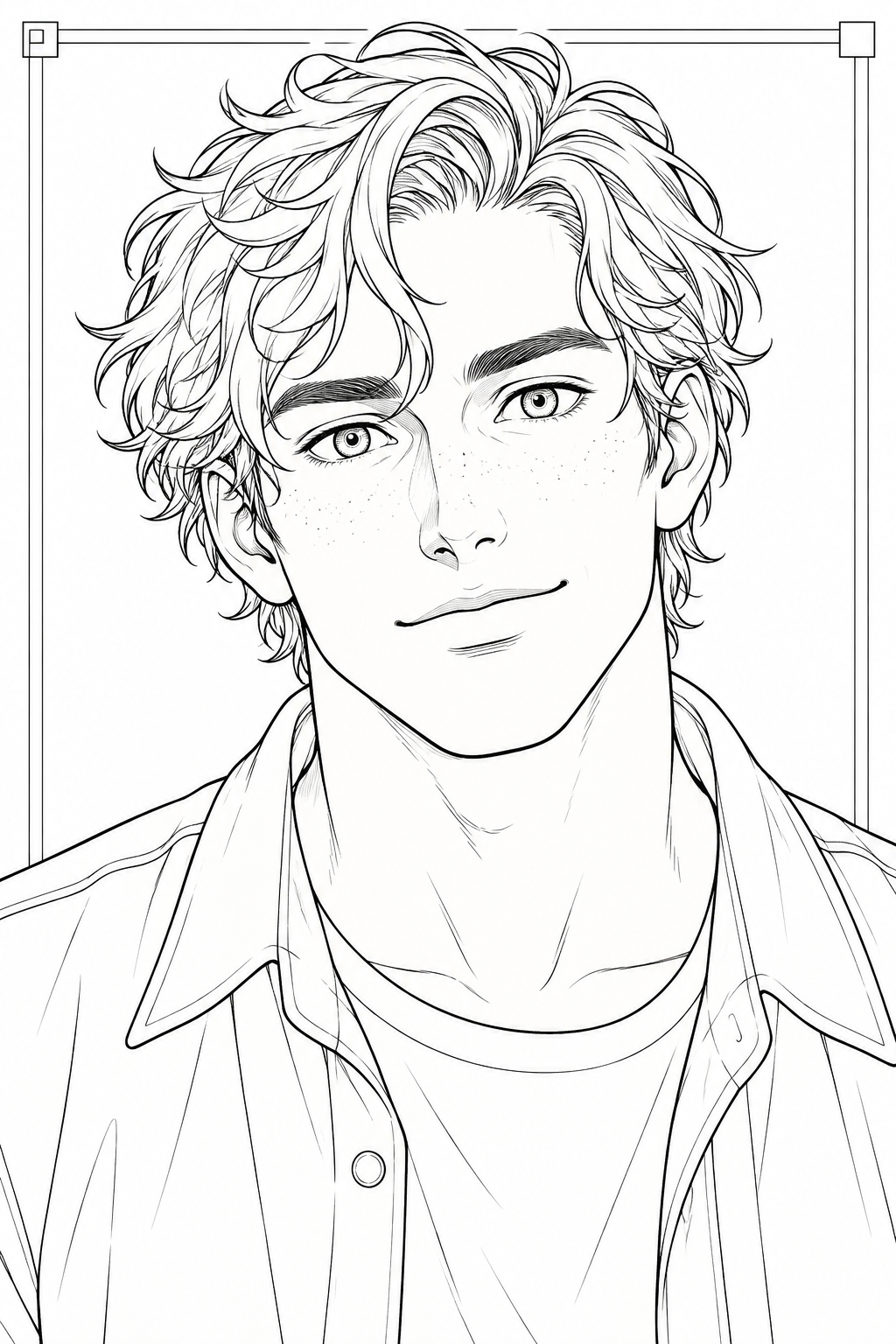 Kai · sketch
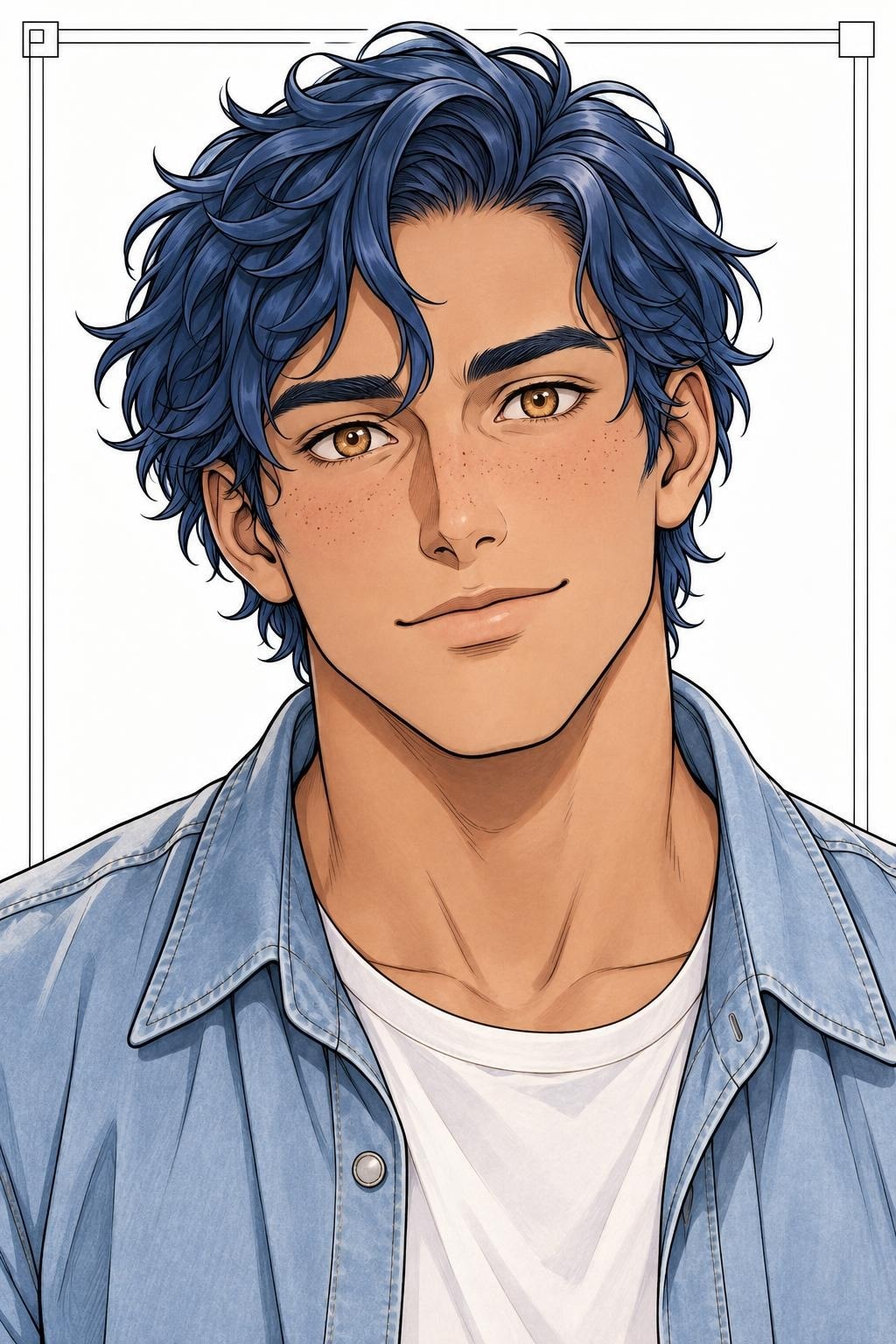 Kai's profile
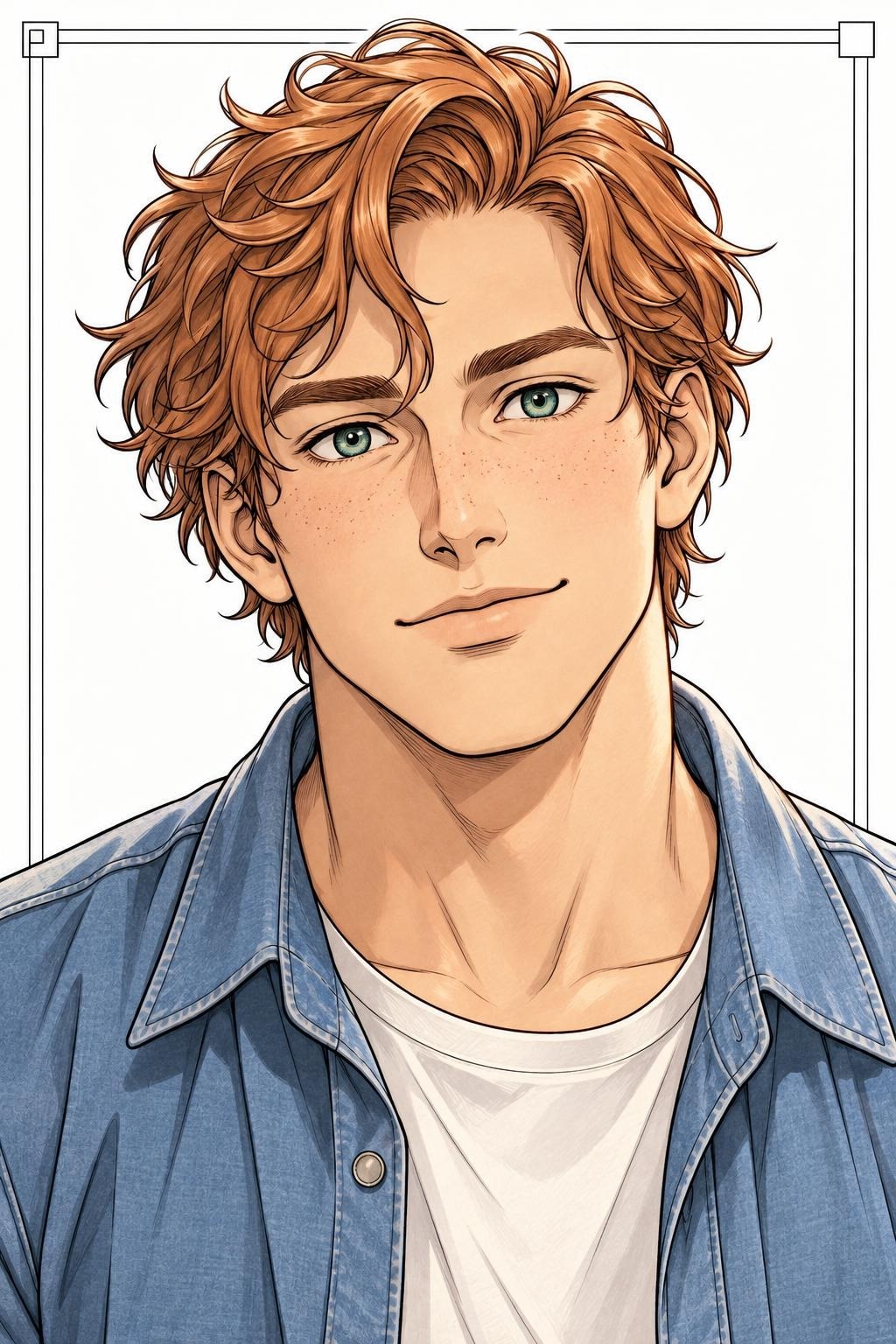 Kai · copper
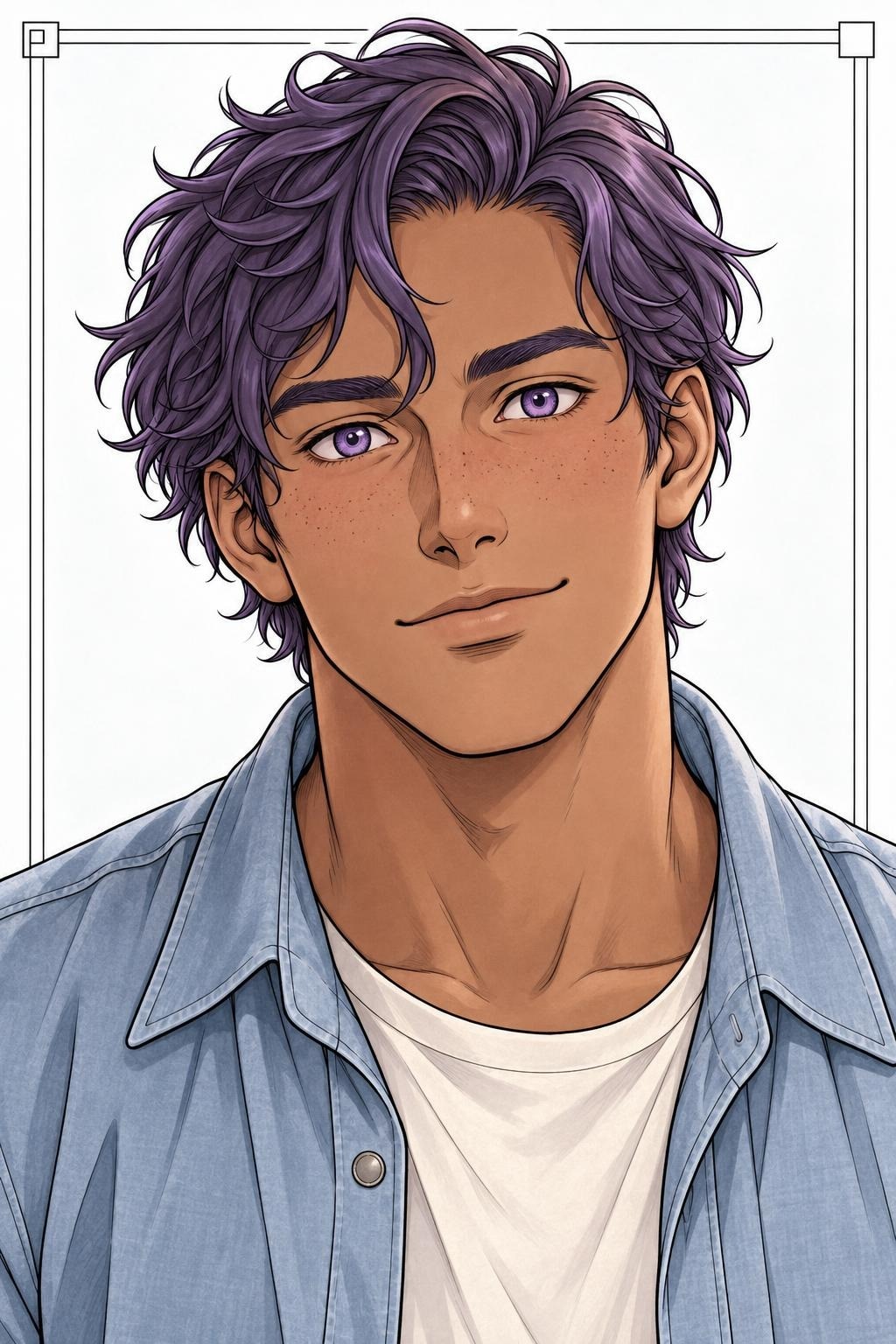 Kai · violet
Generated through the backend with character color profiles. Clothing colors were not locked and may vary between runs.
Magic, lightning, fire, and ice in combat
View 6 combat studies ↗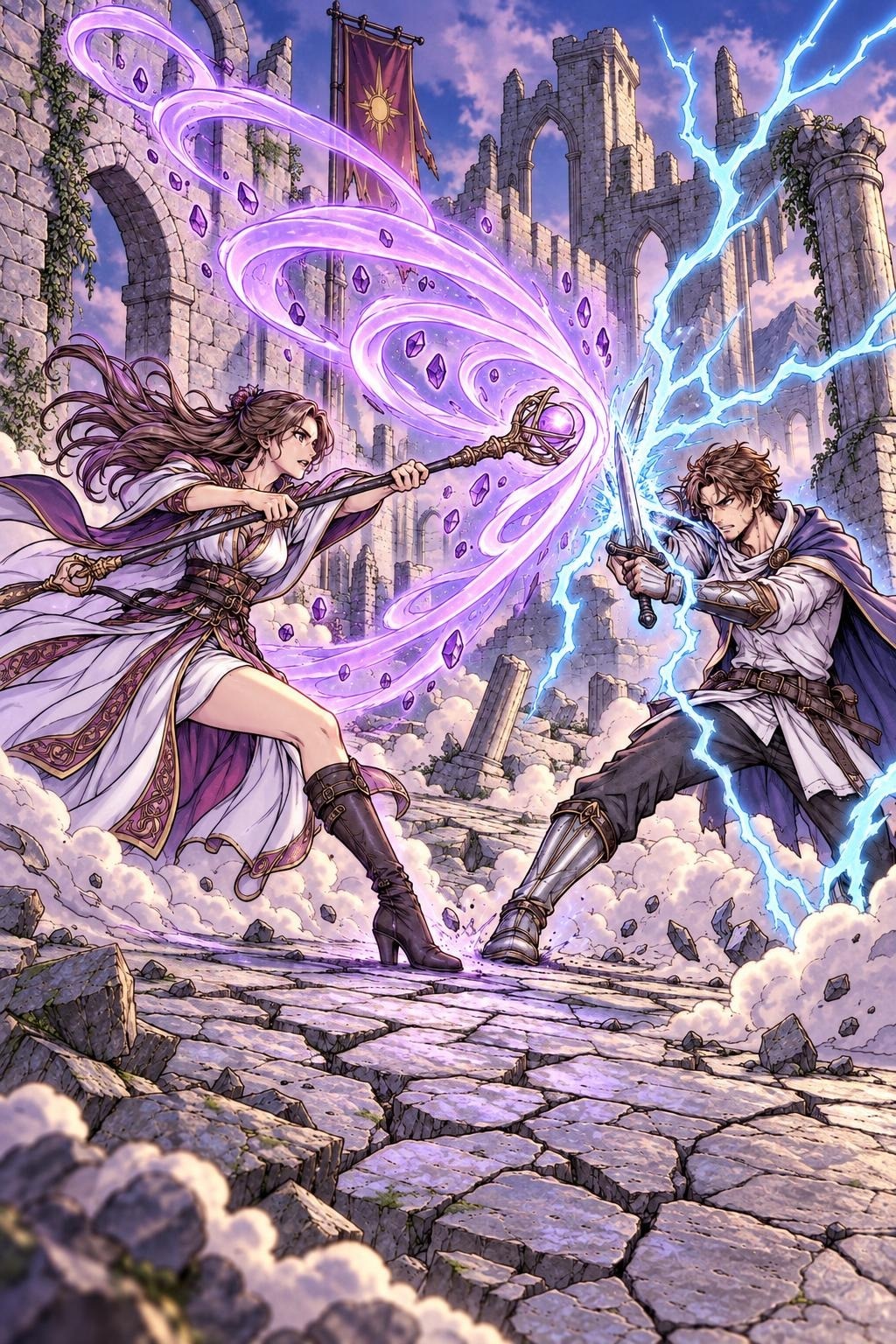 Magic & lightning
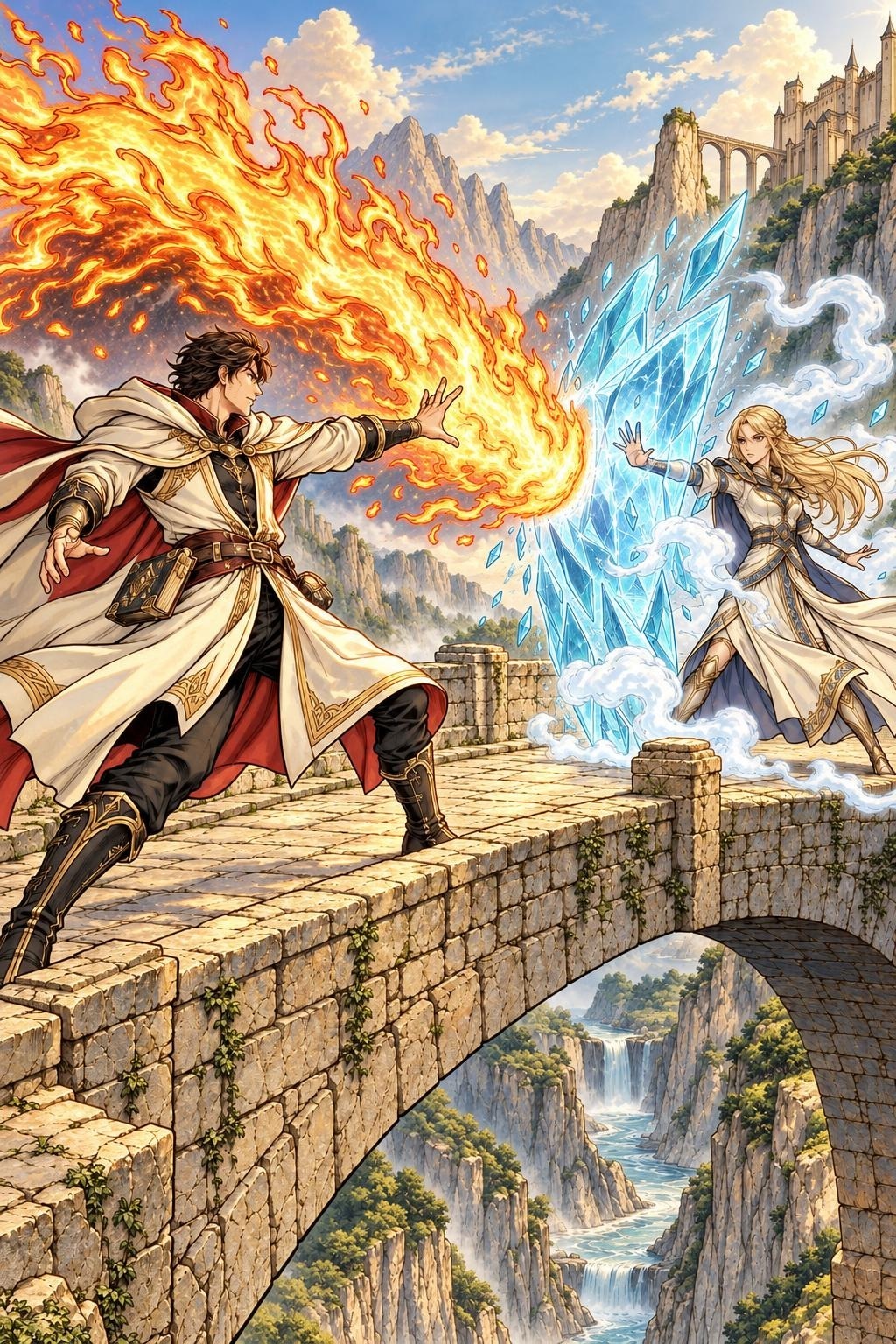 Fire & ice
One robot, many materials; both sides stay matched
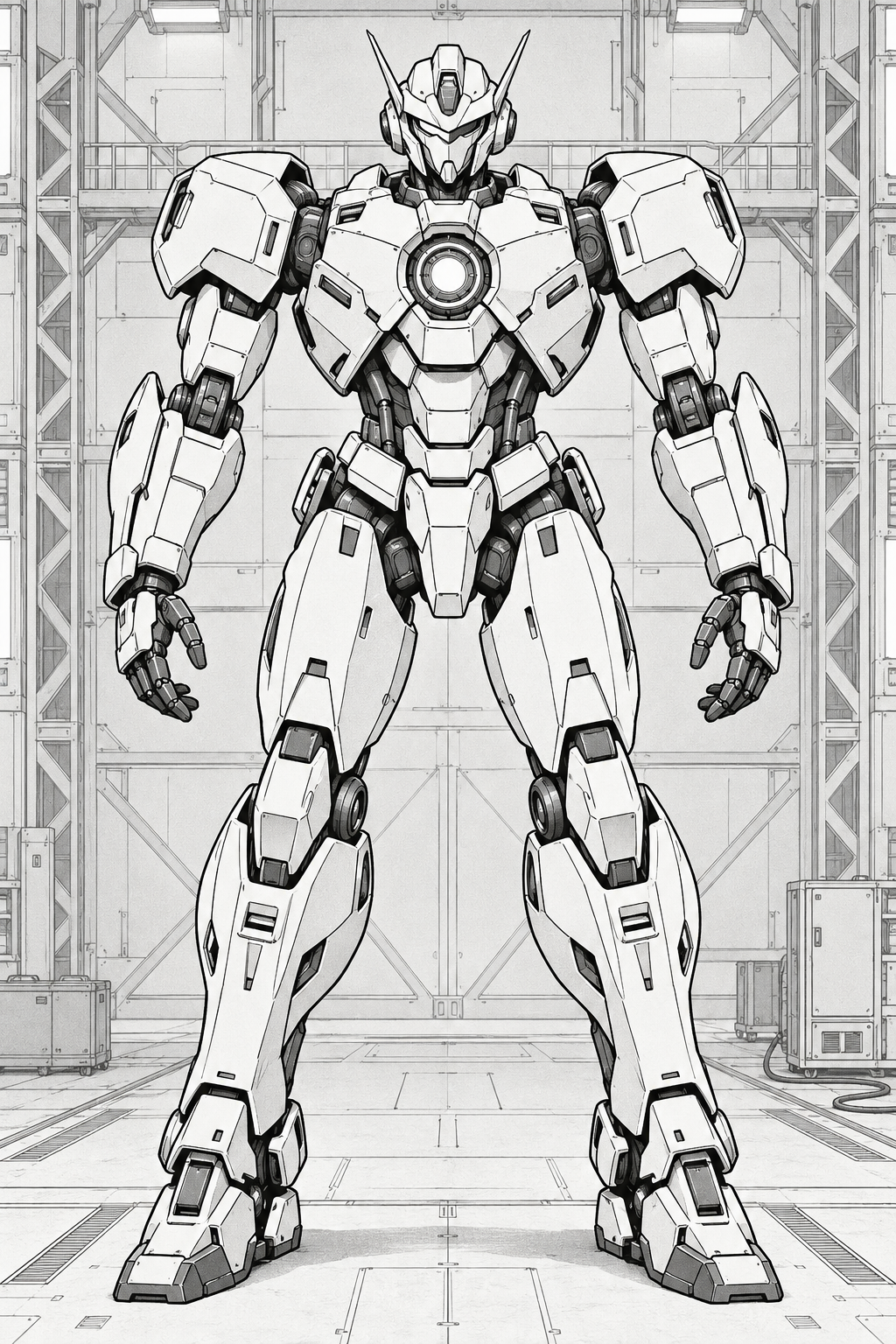 Original sketch
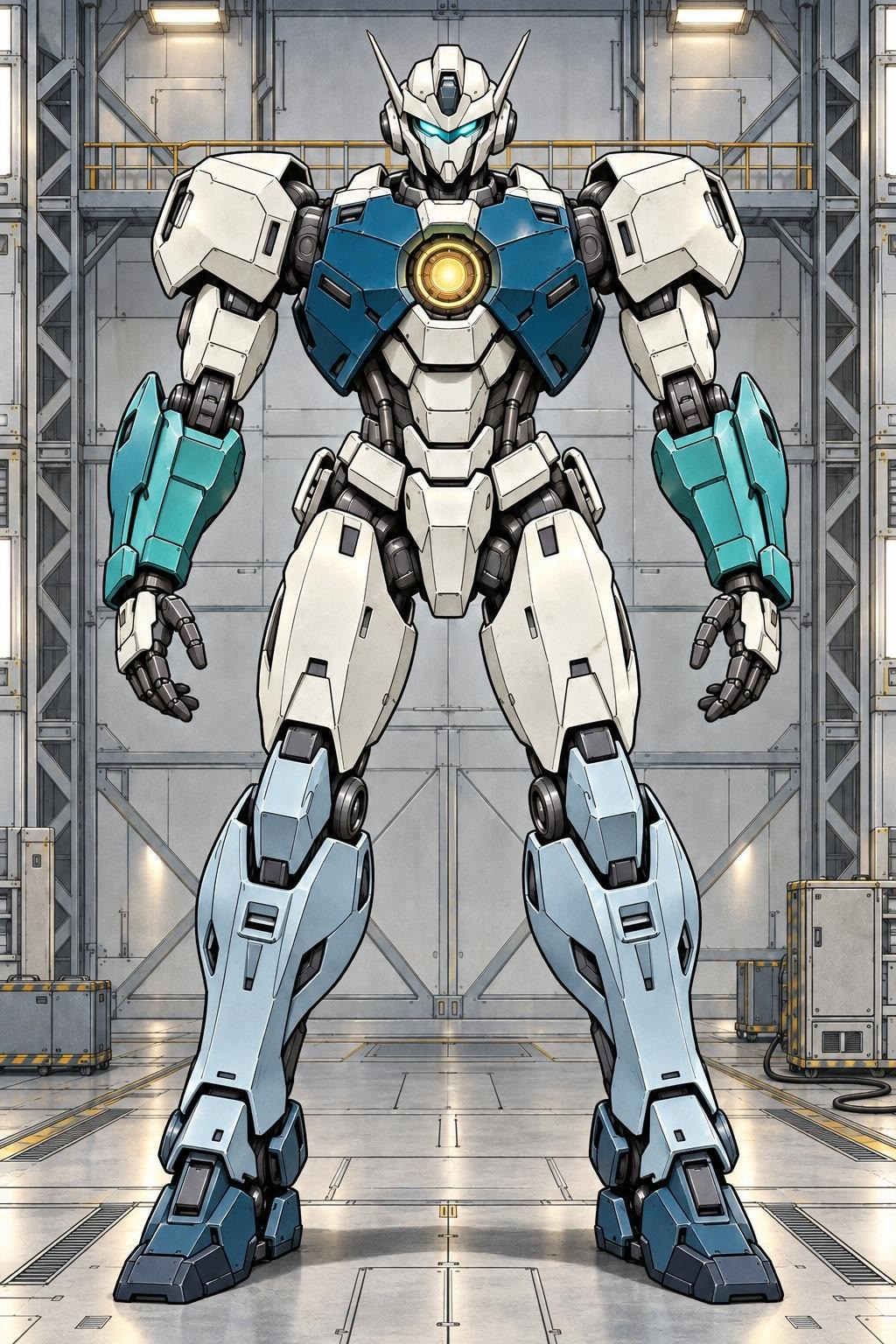 Ceramic · teal
 Rescue orange
 Steel · composite · glass
Mecha Material Map assigns each part's color; material markers direct surface appearance. Preview edges need review before production.
Challenge / material response
Every material
catches light differently.
Porcelain, velvet, brushed steel, glossy car paint and leather. See each original sketch beside its backend color study.
Material markers direct the main surface in each image. Preview boundaries still require review.
Effects and atmosphere
When color
changes the world.
06 backend combat outputs20 backend atmosphere outputs
Two combat scenes with magic, lightning, fire, and ice; two fixed sketches explored across weather, lighting, and time of day.
Challenge / Cinematic effects
Light makes it
cinematic.
Five effects across three original sketches: sunlit particles, rays through clouds, dappled leaves, lens flare and background bokeh.
Workflow
From original page to
approved output.
Every step has defined inputs, review criteria, and decision-makers.
- 01
Receive IP & source
Agree on scope, assets, usage rights, and release goals.
- 02
Lock visual intent
Define references, canon, palette, and details that must remain intact.
- 03
Generate candidates
Create page-level options against the artistic direction.
- 04
Compare & refine
Compare with the source; artists edit or reject candidates.
- 05
Quality control
Check text, panels, characters, mood, and consistency.
- 06
Approve & deliver
The IP holder signs off and receives the output and QC findings.
Faithful Color
For archives and canon-sensitive pages. Prioritize panel, pose, text, composition, character, and costume fidelity. Broken text or a missing subject blocks acceptance.
Premium Remaster
For new editions, digital highlights, and marketing. Add depth, lighting, material, and emotion within boundaries approved by the creative lead.
Narrium Pilot Operations is the Narrium Team's internal process for coordinating sources, job queues, candidates, QC, retries, and handoff. Clients receive outputs and reports; this is not a separately sold workspace or product.
Proposed pilot plan
Four weeks to get
a real answer.
We propose a pilot on 30–50 pages with clear usage rights, spanning different scenes and difficulty levels. The final scope is agreed with the IP holder.
Scope & art direction
Select representative pages, confirm rights, establish the Color Bible and acceptance checklist.
Deliver: scope, risk notes, visual directionGeneration & first QC
Create page-level candidates, compare against source, and document deviations.
Deliver: candidate set and QC notesArtist refine & feedback
Artists revise pages as needed; the author or an appointed representative reviews where applicable.
Deliver: pass / revise / reject shortlistFinal approval
Complete QC, review with the IP holder, measure effort, and identify what can scale.
Deliver: approved output, report, go / no-go decisionFour evaluation criteria
Commercial qualityFidelityDelivery effortRisk
Start with your own work
A focused pilot.
An informed decision.
Test quality, cost, and limitations on your own IP before scaling production.
Back to top